Verse

John 14:27

The Peace of Christ

Jesus said to his disciples: “Peace I leave with you; my peace I give to you. Not as the world gives do I give it to you.”

Reflection:

So how does the peace that Jesus gives you differ from the apparent peace that the world gives? We all want peace in life. The desire for interior peace is written upon our very nature. And though many people make choices that lead to interior disorder and even chaos, those choices are often made out of a confused sense of what actually provides fulfillment.

For example, those who choose to feed an addiction to drugs or alcohol often began that addiction out of a misguided desire for happiness. The temporary fix experienced gives the temporary sense of well-being. But objectively speaking, it is very clear that the temporary “peace” one receives from these actions leads ultimately to a loss of the very thing they desire. And when these choices become addictions, the person often finds themself trapped in a downward spiral.

There are also countless other ways in which people find themselves seeking satisfaction and fulfillment in life. Money, promiscuity, cheating, selfishness, anger, deception, and the like are all actions that are done with the intent of some satisfaction. Our daily goal must be to unmask those deceptive actions so that we can see them for what they are and for the fruit that they produce. These are clearly among the many ways that the “world” offers us peace.

When it comes to true happiness in life, the gift of true interior peace is one of the clearest signs that we are on the right track and are making the right decisions. When we choose the will of God each and every day, those choices may be difficult and require much initial sacrifice. Love can be hard. Faithfulness to the moral law of God can be challenging. And refusing to sin is difficult. But choosing the will of God throughout our day, every day, will begin to produce within us the consoling and sustaining gift of the peace of Christ.

True peace produces strength. It leads to interior integrity and wholeness. It produces clarity of thought and certitude in convictions. God’s peace leads to more peace. It leads to choices based on well-thought-out actions of love. Peace leads us to the will of God, and the will of God leads to peace. The cyclical effect is exponential and is one of the clearest guides to happiness in life.

Reflect, today, upon whether you truly have peace in your heart. Do you recognize the still, strong and sustaining presence of God within your soul? Do your daily choices produce greater integrity of heart and clarity of mind? Do you find that you have joy and calm, even in the midst of life’s greatest challenges? Seek out this peace, for if you do, you will be seeking out the good God Who produces this glorious gift within your heart.

Source: https://catholic-daily-reflections.com/2025/05/19/the-peace-of-christ-4/
John 14:27 Read More »

John 14:25-26

Remembering God's Revelation

“I have told you this while I am with you. The Advocate, the Holy Spirit whom the Father will send in my name—he will teach you everything and remind you of all that I told you.”

Reflection:

Sometimes we forget all that God has spoken to us. For example, we may have some clear experience of God’s presence in our lives, such as a powerful spiritual insight gained through prayer, a deep conviction of His voice spoken through a sermon, the transforming freedom encountered through the Sacrament of Reconciliation, or some form of unmistakable clarity imparted through the reading of the holy Scriptures. When God speaks to us, imparting His Truth, strength, forgiveness and every other form of grace, we are spiritually consoled as we sense His closeness. But when trouble comes our way, those moments of clarity can be easily lost.

The disciples would have had many clarifying experiences during the three years of Jesus’ public ministry. They marveled at the spiritual authority they encountered in His sermons, witnessed countless miracles, looked on as sinners were set free, saw Jesus transfigured in glory, and watched our Lord enter deeply into prayer with the Father. Each time they encountered the power of God at work, they would have grown in their conviction that Jesus was the Messiah, the Son of God, the Savior of the World. But Jesus also knew that these disciples would soon have their faith in Him shaken. He knew that as they looked on from a distance in fear as Jesus was arrested, beaten and killed, they would start to forget all that they previously experienced. Fear can cause confusion, and Jesus knew that His disciples would soon fall into that trap. For this reason, Jesus spoke the words above to His disciples. He promised them that the Holy Spirit would soon come upon them to teach them everything and to remind them all that He told them.

How nice it would be if every lesson we ever learned from God remained front and center in our lives. How nice it would be if we never allowed fear to confuse us and cause us to forget all that God has spoken to us in varied ways. Just as Jesus knew the disciples would need the help of the Holy Spirit to remember, He also knows that we need the same help from the Holy Spirit. Therefore, the words spoken to the disciples above are also spoken to us. “The Advocate, the Holy Spirit whom the Father will send in my name—he will teach you everything and remind you of all that I told you.”

What lessons of faith have you learned in the past that you need to be reminded of? It is the role of the Holy Spirit to bring those lessons to mind every time we need them. Therefore, as we move closer to the glorious celebration of the Solemnity of Pentecost, it is a good time to pray to the Holy Spirit and ask for the gift of remembering the many ways that God has revealed Himself to us. The Father, Son and Holy Spirit work in perfect harmony with each other, but each has a distinct role in our lives. The Holy Spirit’s role is especially to lead us day-by-day into the fulfillment of the Father’s will of becoming perfectly conformed to the Person of Christ Jesus.

Reflect, today, upon this powerful promise that our Lord gave to His disciples and to us. Pray to the Holy Spirit. Open yourself to the Spirit’s ongoing direction in your life and never allow fear to lead to confusion. Instead, allow God to dispel all confusion and to remind you of all that He has spoken to you throughout your life.

Source: https://catholic-daily-reflections.com/2025/05/18/remembering-gods-revelations-3/

John 14:25-26 Read More »

John 13:31-32

Eternal Glory

When Judas had left them, Jesus said, “Now is the Son of Man glorified, and God is glorified in him. If God is glorified in him, God will also glorify him in himself, and God will glorify him at once.”

Reflection:

If the life we live here and now is all we will ever have, then it makes sense to believe that death is our worst enemy. But as we know, this life is but a grain of sand in the ocean in comparison to eternity. For that reason, we must see death as our passing into the glories that await. The death of a loved one is difficult for sure. And when we face our own death, there are many temptations we might experience toward fear of the unknown. But if the Son of God chose to endure death itself, then we must work to see death differently.

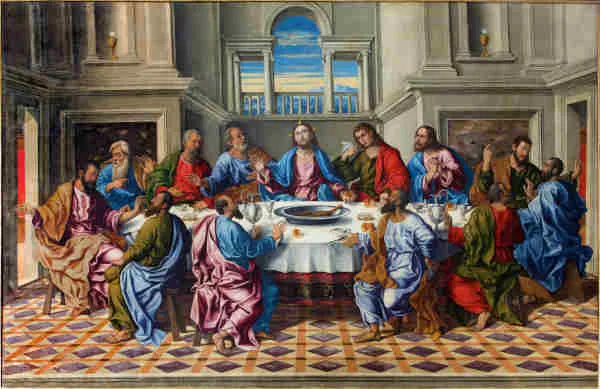
Today’s Gospel passage speaks of Jesus’ coming death as His glorification. “Now is the Son of Man glorified, and God is glorified in him.” Jesus spoke these words right after Judas left the Last Supper to betray Him. From an earthly perspective, it is unlikely that anyone would consider their betrayal and brutal death as the moment when God is glorified. But from a heavenly and eternal perspective, Jesus’ death was the greatest glorification He could offer to the Father. This only makes sense when we put on the mind of God.

As we continue to celebrate our Easter Season, we look beyond the suffering of Christ to see the fruit of His suffering. We see that death was defeated and that Jesus will now forever live in His glorified and resurrected body in Heaven. He will forever carry the marks in His hands, feet and side, and those marks will forever glorify the Father. The Resurrection of Christ changes everything, including death. For that reason, we must continually work to put on the mind of God and see our human lives as He sees them.

What is it that you live for in this life? What are your goals and ambitions? If you find that you focus excessively upon immediate pleasures, material wealth, selfish objectives and passing ambitions, then it is time to ponder the lesson of Jesus’ glorification. By facing His own death as an opportunity to glorify the Father, Jesus made it possible for us to do the same. And though there will always be a healthy sorrow associated with the passing of a loved one, the hope of Heaven and eternal glory must become the lens through which we see all things in this life.

When you look at your life, it is essential to see the cross that God has given to you. That is because your cross is the gateway to this eternal glory. Each person’s cross will be different. A cross is not simply our suffering; it’s our call to live sacrificially. This is love. It’s the calling we are given to lay our lives down for others. To serve others. To forgive every wrong, to love every sinner, to show mercy and compassion toward those in need. And to do all of this in response to God’s perfect will. The crosses in our lives are opportunities for love in its purest form. This is how Jesus saw His Cross and this is how we must see ours.

Reflect, today, upon death, but try to look at it as a calling to give of yourself sacrificially out of love. The best way to prepare yourself for a glorious death is to live in the love of God here and now. To the extent that you can do that, God will be glorified as you share in the glory given to Christ.

Source: https://catholic-daily-reflections.com/2025/05/17/eternal-glory/

John 13:31-32 Read More »

John 14:12-14

Doing the Greatest Work on Earth

“Amen, amen, I say to you, whoever believes in me will do the works that I do, and will do greater ones than these, because I am going to the Father. And whatever you ask in my name, I will do, so that the Father may be glorified in the Son. If you ask anything of me in my name, I will do it.”

Reflection:

How is it that we are called to do greater works than the works that Jesus Himself did? Of course, it’s true. This is our calling. We know that, because this is what our Lord promised us. This truth should fill us with gratitude for being used so powerfully by God.

Among the “greater” works of which Jesus speaks is, first and foremost, the sharing of the Gospel to the ends of the earth. As Jesus walked the earth, His mission was primarily to the people of Israel. But when He ascended to Heaven and sent the Holy Spirit upon the Church, He also empowered all who would receive the Holy Spirit to share the Gospel to the ends of the earth. Thus, the conversion of hearts is the greatest work that we can cooperate with.

Do you want to do great things? Most children dream of doing so because this desire is written upon our human nature. We want to make a difference. We want to be great. But too often we become confused about true greatness. We attempt to fulfill that innate desire through acts of worldly and passing greatness. We seek recognition, wealth, and other passing rewards that stem from selfish ambitions. None of these ultimately fulfill us, even if we were to achieve them to the greatest extent. For example, imagine if you won the Nobel Peace Prize, or became the leader of a nation, or became the wealthiest person alive. Would the attainment of one of these goals fulfill you? Only if it were the will of God. If not, it would be an empty and meaningless act.

Begin by looking within. Do you see the desire within you to do great things? Hopefully you do. From there, remind yourself that the greatest thing you can do, so as to fulfill the desire within you, is to do that which is the will of God for your life. Jesus says, “If you ask anything of me in my name, I will do it.” Asking in Jesus’ name means asking for the fulfillment of His will. It means asking that God use you to bring His saving grace to others any way He chooses. If you ask our Lord for this grace, He will grant it.

This form of prayer requires humility and a complete detachment from our own will. It requires that we ask the Father only for that which the Son asks the Father for us. But the reward of such a humble prayer is that God will bestow His grace and mercy on others through us. This is His perfect will.

Reflect, today, upon this high calling. Do so by looking at the desire within your own soul for greatness and then unite that desire with God’s will as the only thing that can fulfill you. Pray for this gift every day with humility and detachment and you will become an instrument of acts that give eternal glory to God. In Heaven, this will be your eternal joy.

Source: https://catholic-daily-reflections.com/2025/05/16/doing-the-greatest-work-on-earth-3/

John 14:12-14 Read More »

John 14:1

Overcoming a Troubled Heart

Jesus said to his disciples: “Do not let your hearts be troubled. You have faith in God; have faith also in me.”

Reflection:

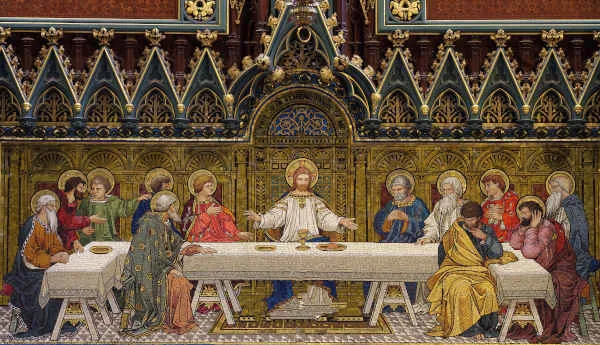
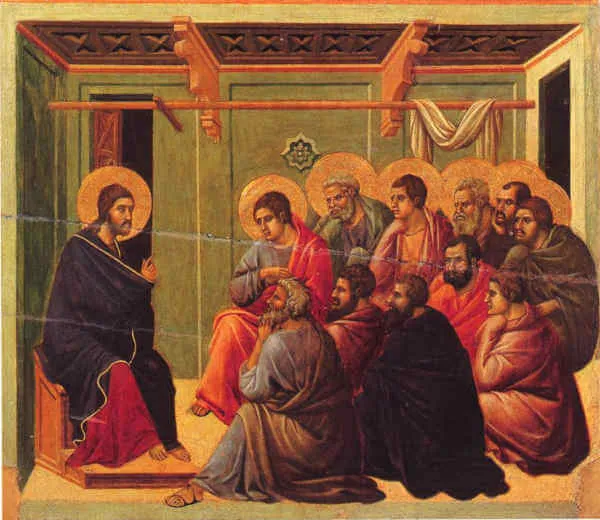
In John’s Gospel, Chapters 14–17 present us with what is referred to as Jesus’ “Last Supper Discourses,” or His “Final Discourses.” These are a series of sermons given by our Lord to the disciples the night He was arrested. These discourses are deep and filled with symbolic imagery. He speaks of the Holy Spirit, the Advocate, the vine and the branches, the world’s hatred, and these discourses conclude with Jesus’ High Priestly Prayer. These discourses begin with today’s Gospel in which Jesus addresses the coming fear, or troubled hearts, that He knows His disciples will experience.

Let’s begin by considering this first line spoken by Jesus above: “Do not let your hearts be troubled.” This is a command. It’s a gentle command but a command nonetheless. Jesus knew that His disciples would soon see Him arrested, falsely accused, mocked, beaten and killed. He knew they would be overwhelmed by what they would soon experience, so He took this opportunity to gently and lovingly rebuke the fear that they would soon face.

Fear can come from many different sources. Some fear is helpful to us, such as the fear present in a dangerous situation. In this case, that fear can heighten our awareness of the danger so that we proceed with caution. But the fear that Jesus was speaking of here was of a different kind. It was a fear that could lead to irrational decisions, confusion, and even despair. This was the kind of fear that our Lord wanted to gently rebuke.

What is it that causes you to fear at times? Many people struggle with anxiety, worry, and fear for many different reasons. If this is something you struggle with, it’s important to allow Jesus’ words to resonate within your mind and heart. The best way to overcome fear is to rebuke it at its source. Hear Jesus say to you, “Do not let your heart be troubled.” Then listen to His second command: “You have faith in God; have faith also in me.” Faith in God is the cure for fear. When we have faith, we are under the control of the voice of God. It is God’s truth that directs us rather than the difficulty we are facing. Fear can lead to irrational thinking, and irrational thinking can lead us deeper and deeper into confusion. Faith pierces through the irrationality we are tempted with, and the truths that faith presents to us bring clarity and strength.

Reflect, today, upon whatever it is that causes you the most anxiety, worry and fear in your life. Allow Jesus to speak to you, to call you to faith and to rebuke those troubles gently but firmly. When you have faith in God, you can endure all things. Jesus endured the Cross. The disciples eventually endured their crosses. God wants to strengthen you, too. Let Him speak to you so that you will overcome whatever is most troublesome to your heart.

Source: https://catholic-daily-reflections.com/2025/05/15/overcoming-a-troubled-heart-4/

John 14:1 Read More »

John 13:16-17

Are You Blessed?

When Jesus had washed the disciples’ feet, he said to them: “Amen, amen, I say to you, no slave is greater than his master nor any messenger greater than the one who sent him. If you understand this, blessed are you if you do it.”

Reflection:

During this, the Fourth Week of Easter, we return to the Last Supper and will spend a few weeks considering the discourse Jesus gave that Holy Thursday evening to His disciples. The question to ask yourself today is this: “Are you blessed?” Jesus says that you are blessed if you “understand” and “do” what He teaches His disciples. So what did He teach them?

Jesus offers this prophetic action by which He took on the role of a slave by washing the disciples’ feet. His action was much louder than words, as the saying goes. The disciples were humbled by this act, and Peter, at first, refused it. There is little doubt that this humble act of service, by which Jesus lowered Himself before His disciples, made a strong impression upon them.

The worldly view of greatness is much different than the one Jesus taught. Worldly greatness is a process of elevating yourself in the eyes of others, striving to let them know just how good you are. Worldly greatness is often driven by a fear of what others may think of you, and a desire to be honored by all. But Jesus wants to be clear that we will only be great if we serve. We must humble ourselves before others, holding them and their goodness up, honoring them and showing them the deepest love and respect. By washing their feet, Jesus completely abandoned the worldly view of greatness and called His disciples to do the same.

Humility is difficult to understand at times. This is why Jesus said, “If you understand this…” He realized that the disciples, as well as all of us, will struggle with understanding the importance of humbling ourselves before others and serving them. But if you do understand humility, you will be “blessed” when you live it. You will not be blessed in the eyes of the world, but you will be truly blessed in the eyes of God.

Humility is especially accomplished when we purify our desire for honor and prestige, when we overcome all fear of being mistreated, and when, in place of this desire and fear, we desire abundant blessings upon others, even before ourselves. This love and humility is the only way to this mysterious and profound depth of love.

Reflect, today, upon this humble act of the Son of God, the Savior of the World, lowering Himself before His disciples, serving them as if He were a slave. Try to imagine yourself doing this for others. Think about various ways that you can more readily go out of your way to put others and their needs before your own. Seek to eliminate every selfish desire you struggle with and identify any fear that keeps you from humility. Understand this gift of humility and live it. Only then will you be truly blessed.

Source: https://catholic-daily-reflections.com/2025/05/14/are-you-blessed-5/

John 13:16-17 Read More »

John 15:16

Bearing Fruit for the Kingdom

“It was not you who chose me, but I who chose you and appointed you to go and bear fruit that will remain, so that whatever you ask the Father in my name he may give you.”

Reflection:

After Judas betrayed our Lord, the Apostles gathered together to pick someone to succeed him. They decided it should be someone who had been with them from the beginning. They prayed for guidance and cast lots “and the lot fell upon Matthias, and he was counted with the Eleven Apostles” (Acts 1:26).

Little is known about the ministry of Saint Matthias. Being chosen as one of the Twelve makes him a bishop of the early Church. Various traditions state that he preached in the territory of either modern-day Ethiopia, Turkey or Georgia—perhaps all of these territories. He is thought to have been killed for his faith, either by stoning or by beheading or both, which is why he is today honored as a martyr.

As we honor Saint Matthias, we honor more than just a man who became an Apostle and preached the Gospel with His life, we also honor the divine plan by which God has chosen to use weak and humble instruments to further His Kingdom. The Gospel passage above certainly applies to Saint Matthias, as well as to all of us to one extent or another. It was God who “chose” Saint Matthias, as well as each and every one of us, for the purpose of going forth to “bear fruit that will remain.” But this form of good fruit, the fruit that has eternal consequences, can only be produced when we ask for it from the Father in the name of His Son Jesus.

Asking the Father to produce good fruit through us in the name of Jesus His Son does not mean that we get to choose what we ask of the Father. Rather, asking “in Jesus’ name” must be understood to mean that we ask the Father only what the Son has asked. We choose to share in the one eternal prayer of the Son that the will of the Father be fulfilled. And in praying this way, we commit ourselves to unity with His holy will.

Sometimes we can all find ourselves asking God for this favor or that. We can place before Him our preference and our will. But if we want to be used by God, to become an instrument of His grace so as to bear an abundance of good fruit, then we must humbly set aside our own will and allow God to be the one Who chooses our mission and appoints us to His holy task. Detachment from our own will and humble submission to the will of God is the only way to bring forth God’s Kingdom.

Reflect, today, upon God’s choice to call you to share in His divine mission. How He calls is up to God, but you can be certain that He does call you and invites you to share in His mission. Be open to any way that God appoints you to bear good fruit and humbly seek to conform your will to the Father’s plan as you pray in Jesus’ holy name.

Source: https://catholic-daily-reflections.com/2025/05/13/bearing-fruit-for-the-kingdom-3/

John 15:16 Read More »

John 10:24-25

Learning the Language of God

Jesus walked about in the temple area on the Portico of Solomon. So the Jews gathered around him and said to him, “How long are you going to keep us in suspense? If you are the Christ, tell us plainly.” Jesus answered them, “I told you and you do not believe.”

Reflection:

Why is it that these people did not know that Jesus was the Christ? They wanted Jesus to speak “plainly” to them, but Jesus surprises them by saying that He already answered their question but they “do not believe.” This Gospel passage continues the beautiful teaching about Jesus being the Good Shepherd. It’s interesting that these people want Jesus to speak plainly about whether or not He is the Christ, but instead, Jesus speaks plainly about the fact that they do not believe in Him because they are not listening. They have missed what He has said and are left in confusion.

One thing this tells us is that God speaks to us in His own way, not necessarily in the way we would like Him to speak. He speaks a mystical, profound, gentle and hidden language. He reveals His deepest mysteries only to those who have come to learn His language. But to those who do not understand God’s language, confusion sets in.

If you ever find yourself confused in life, or confused about the plan God has for you, then perhaps it’s time to examine how carefully you listen to the way God speaks. We could beg God, day and night, to “speak plainly” to us, but He will only speak in the way He has always spoken. And what is that language? On the deepest level, it’s the language of infused prayer.

Prayer, of course, is different than only saying prayers. Prayer is ultimately a relationship of love with God. It’s a communication on the deepest level. Prayer is an act of God within our soul by which God invites us to believe in Him, to follow Him, and to love Him. This invitation is continually offered to us, but too often we fail to hear it because we fail to truly pray.

Much of John’s Gospel, including Chapter Ten from which we are reading today, speaks in a mystical way. It’s not possible to simply read it like a novel and comprehend all that Jesus says with one read. Jesus’ teaching must be heard in your soul, prayerfully, pondered, and heard. This approach will open the ears of your heart to the certitude of the voice of God.

Reflect, today, upon the mysterious ways in which God communicates to you. If you do not understand how He speaks, then that is a good starting point. Spend time with this Gospel, prayerfully pondering it. Meditate upon Jesus’ words, listening for His voice. Learn His language through silent prayer and allow His holy words to draw you to Himself.

Source: https://catholic-daily-reflections.com/2025/05/12/learning-the-language-of-god-4/

John 10:24-25 Read More »

John 10:2-4

Recognizing the Voice of God

“But whoever enters through the gate is the shepherd of the sheep. The gatekeeper opens it for him, and the sheep hear his voice, as the shepherd calls his own sheep by name and leads them out. When he has driven out all his own, he walks ahead of them, and the sheep follow him, because they recognize his voice.”

Reflection:

Do you recognize the voice of the Shepherd? Does He lead you each and every day, guiding you into His holy will? How attentive are you to what He speaks each day? These are some of the most important questions to ponder.

Recognizing God’s voice is something that many people struggle with. There are often many competing “voices” that speak to us each and every day. From the latest news in the headlines, to the opinions of friends and family, to the temptations all around us within the secular world, to our own self-drawn opinions, these “voices” or “ideas” that fill our minds can be hard to sort through. What is from God? And what is from other sources?

Recognizing the voice of God is indeed possible. First of all, there are many general truths that God has already spoken to us. For example, everything contained in the Holy Scriptures is the voice of God. His Word is alive. And when we read the Scriptures, we become more and more familiar with God’s voice.

God also speaks to us through gentle inspirations that result in His peace. For example, when considering a certain decision you may need to make, if you present that decision to our Lord prayerfully and then remain open to whatever He wants of you, oftentimes His answer comes in the form of a deep and certain peace of heart.

Learning to recognize the voice of God in your daily life is accomplished by building an interior habit of listening, recognizing, responding, listening some more, recognizing and responding, etc. The more you hear the voice of God, the more you will recognize His voice in the most subtle of ways, and the more you come to hear the subtleties of His voice, the more you will be able to follow. In the end, this is only accomplished by an ongoing habit of deep and sustaining prayer. Without that, it will be very difficult to recognize the voice of the Shepherd when you need Him the most.

Reflect, today, upon how attentive you are to God in prayer. What does your daily prayer look like? Do you spend time each day listening to the gentle and beautiful voice of our Lord? Do you seek to form a habit by which His voice becomes clearer and clearer? If not, if you do struggle in recognizing His voice, then make the decision to establish a deeper habit of daily prayer so that it is the voice of our loving Lord Who leads you every day.

Source: https://catholic-daily-reflections.com/2025/05/11/recognizing-the-voice-of-god-3/

John 10:2-4 Read More »

John 10:27-28

Shepherding Through Virtue

Jesus said: “My sheep hear my voice; I know them, and they follow me. I give them eternal life, and they shall never perish. No one can take them out of my hand.”

Reflection:

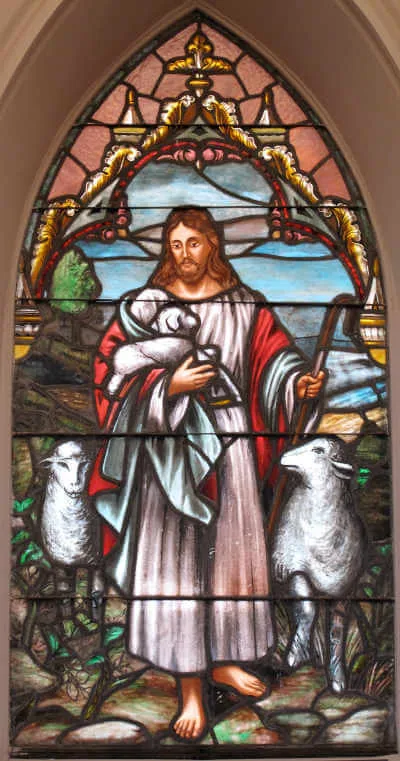
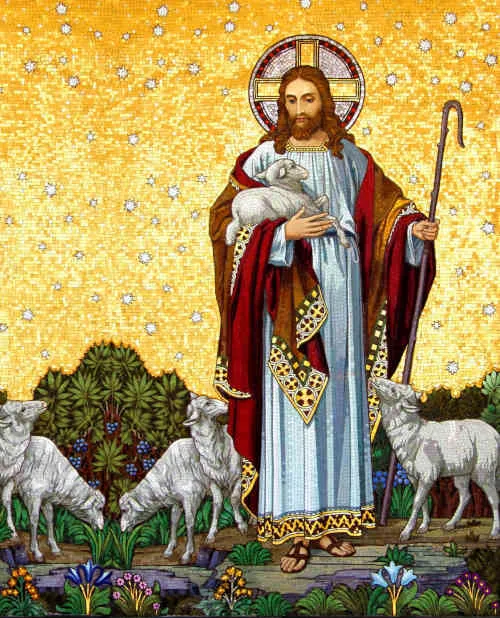
The image of Jesus as the Good Shepherd is an endearing image. Many artists have depicted the gentleness of Christ as He leads His sheep or carries a straying lamb on His shoulders. We are given this image today as we celebrate Good Shepherd Sunday.

In our short Gospel passage today, Jesus addressed some of the Jews who were trying to trap Him in His speech. Prior to this passage, they asked Him, “How long are you going to keep us in suspense? If you are the Messiah, tell us plainly.” To that, Jesus responded, “I told you and you do not believe.” Jesus answered this way because the people questioning Him were not interested in actually knowing whether He was the Messiah. Instead, they wanted to accuse Him of blasphemy. But Jesus tells them that He already told them Who He was through His works: “The works I do in my Father’s name testify to me.”

Do you see the works of God in your life? If you do, then it is important to understand that Jesus’ works are one of the primary ways that He speaks to you and leads you as your Shepherd. God certainly speaks to us through His Word as it is revealed in the Scriptures and in the teachings of the Church. But He also speaks to us through His works. Among the many works of God in your life is the work of grace by which God enables you to grow in virtue. Therefore, it is important to look for the ways that supernatural virtue grows in your life. For example, do you see courage in the face of fear? If so, what is God saying to you through the increase of this virtue? Do you see a supernatural ability to forgive another? If so, what is God telling you through the increase of that virtue? Do you see an increase in the virtue of piety, by which your life of prayer becomes more important to you? If so, what is God saying to you through the increase of this virtue?

The discernment of the will of God enables us to hear His voice and follow Him. And one of the best ways to discern the will of God is to look for the ways that God is touching your life. Where you see virtue increase, the will of God is present and is calling you to grow in that area. Conversely, if there is something in your life that leads you to sin, and, thus, a decrease in virtue, then this is also God’s voice telling you to avoid these things. 

Reflect, today, upon God’s actions that are perceptible in your life. Even though God speaks clearly to us through His revealed Word, He also speaks to us and shepherds us through His discernable touching of our souls. Where you see virtue increase, you will find the will of God. Where you see virtue decrease, you will not find the will of God. Listen to God as He speaks to you this way so that you will hear His voice, follow Him and receive eternal life.

Source: https://catholic-daily-reflections.com/2025/05/10/shepherding-through-virtue/

John 10:27-28 Read More »