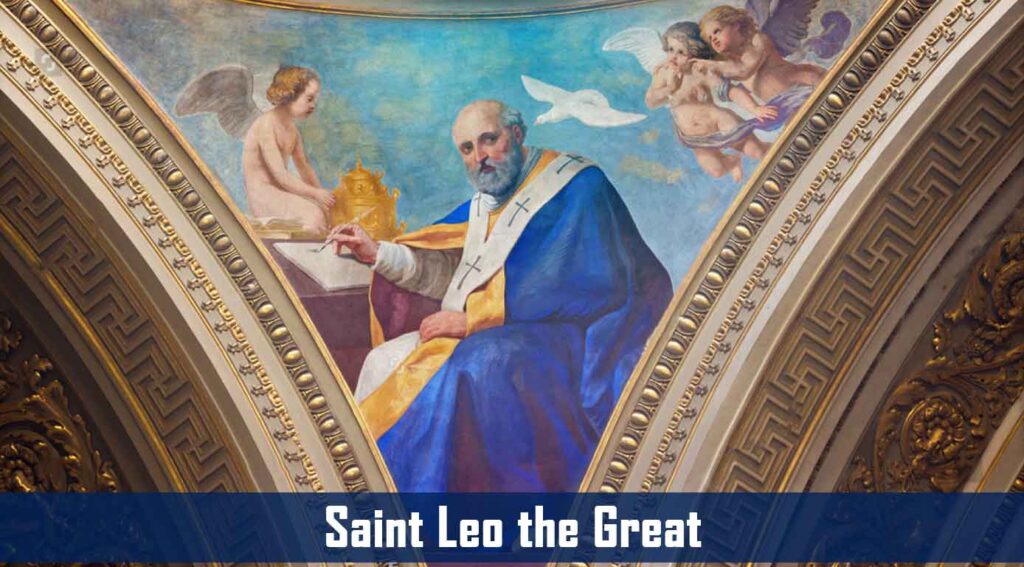
Saint Leo the Great was from a Roman aristocratic family. In 431, he became a well-known deacon of the Church. He was also known for often settling disputes inside the church due to his intelligence and strong conviction. He was widely respected.
In 440, he was elected as pope, succeeding after Peter. He was the first pope to be given the title “the Great”. He displayed endless dedication to his role as the pope. During his reign, he was passionate about preserving the unity and faith of the Church. He prioritized the safety of his people against armies who are against Christianity and the Church.
In 1754, St. Leo the Great was proclaimed a Doctor of the Church by Pope Benedict XIV.
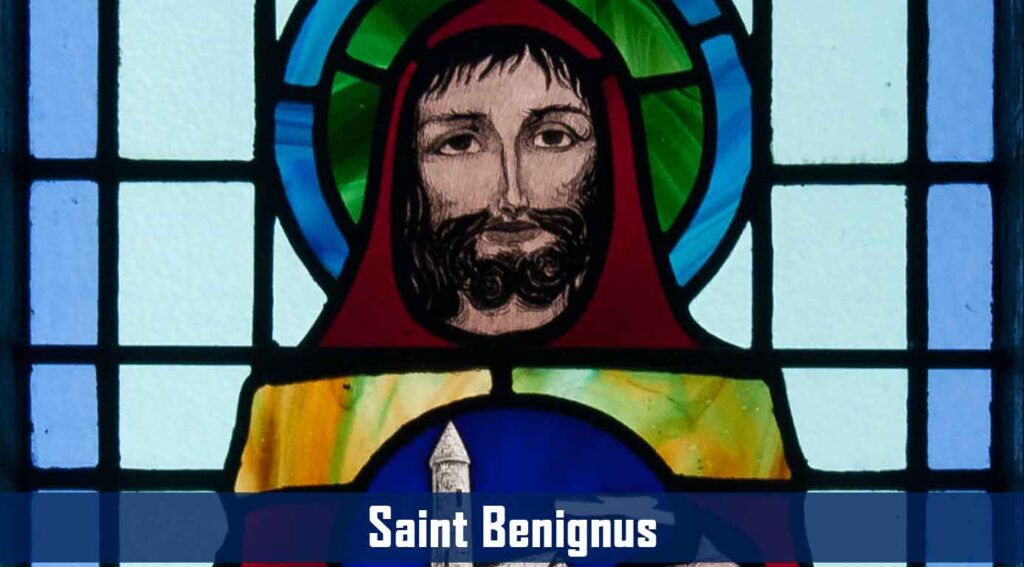
Saint Benignus was the son of an Irish chieftain. He was a follower of St. Patrick who baptised him into Christianity. He went with St. Patrick in his travels and helped with the missionary labours. He assisted in forming choral services and became known as “Patrick’s psalm-singer”.
Saint Benignus was trained by St. Patrick since his youth and he later on was appointed to the Commission of Nine. It is said that St. Benignus contributed to the Psalter of Cashel and Book of Rights.
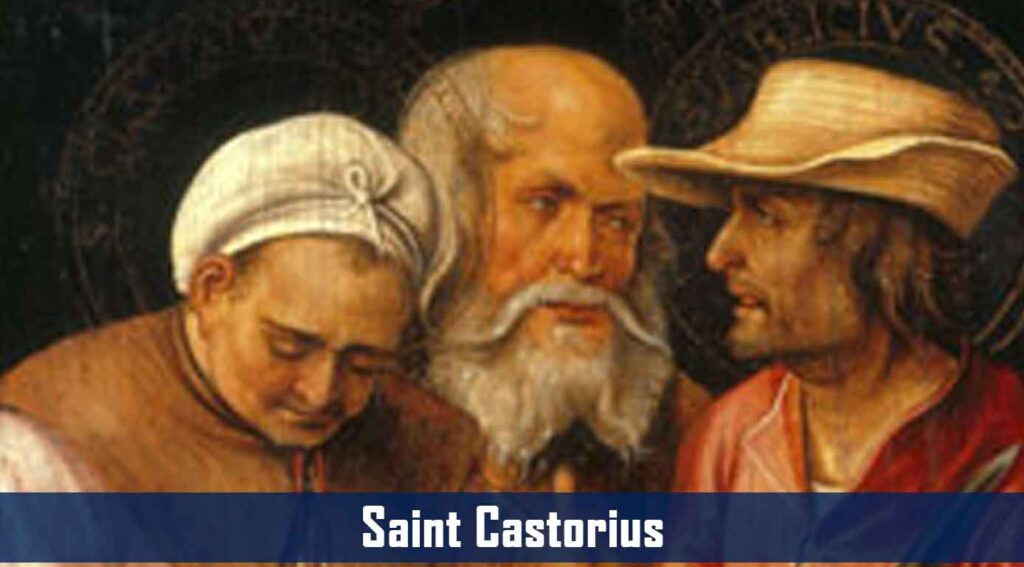
St. Castorius is one of the “four crowned martyrs”. They were tortured and executed during the reign of Diocletian during the rule of Diocletian in Hungary. St. Castorius and the other “crowned martyrs” were commissioned by Diocletian as carvers. Diocletian was impressed by their carvings and he requested them to carve a statue of Aesculapius, a Greek god. They refused to do it as they were Christians. They also refused to sacrifice to the gods and because of this they were imprisoned. They were also falsely accused of being involved in the death of one of Diocletian’s officers.
St. Castorius died around 287 A.D.. He is the patron saint of sculptors.
Saint Achillas was a bishop and a theologian during an era of dispute in the church. He was the bishop of Alexandria in Egypt, which was one of the most powerful cities at that time.
A bishop named Arius was ordained later on. Saint Achillas recognized the untruths in Arius preaching. He defended the faith but Arius attacked him. A council was put together to condemn Arius for his false preachings. He was forced to flee to Palestine.
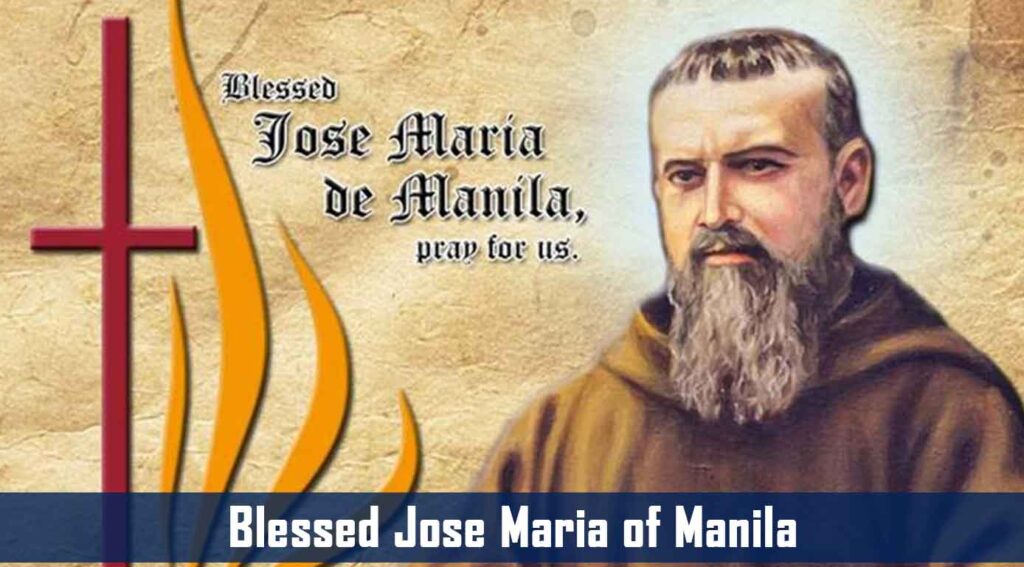
Blessed Jose Maria de Manila was born in the Philippines to Spanish parents. His father, Don Eugenio del Saz-Orozco de la Oz, was the last Spanish Mayor of Manila. At the age of 16, he left the Philippines to study in Spain. Later on, he became a Capuchin priest.
He wanted to return and serve in the Philippines but due to the war and other circumstances, he was unable to go back. He continued proclaiming the Gospel in Spain.
On July 1936, there was an uprising which began the Spanish Civil War. The church was seized and priests were imprisoned. Blessed Jose Maria de Manila was executed at the gardens of Cuartel de la Montana in Madrid.
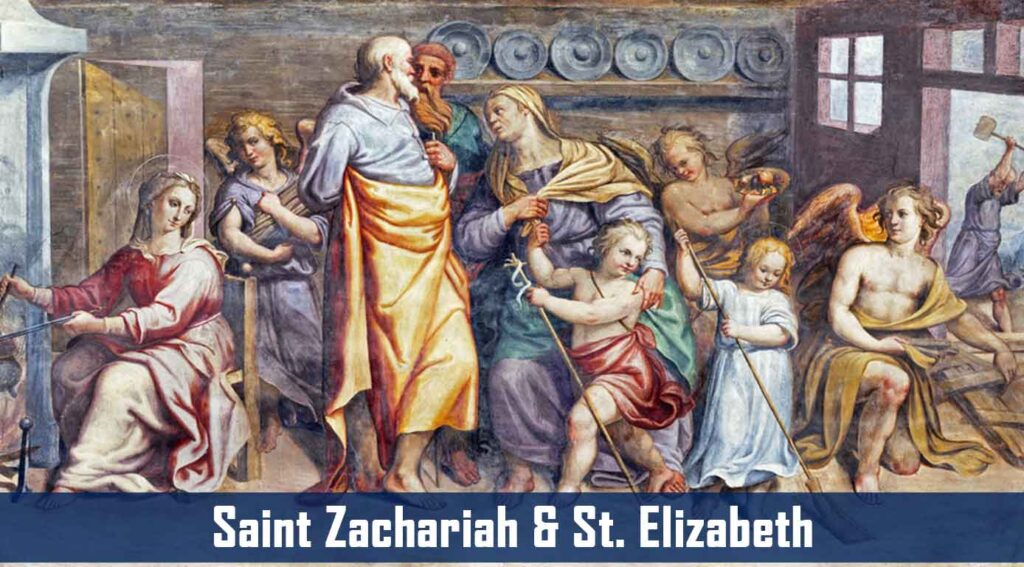
Saints Zachariah and Elizabeth, the parents of Saint John Baptist, were considered as a deeply religious couple. They were also known as the last and greatest prophets.
Saint Elizabeth was the cousin of our Blessed Virgin Mary. She was already old and was known to be barren when she gave birth to St. John the Baptist as the angel that visited them foretold. St. Zachariah was a holy prophet and a priest in the temple of Jerusalem. When the angel visited them and foretold the prophecy about their son, St. Zacharia doubted this and thus, he was struck mute. He was mute until the birth of their son.
Little is known of the couple. Their lives can be found in the 1st chapter of Luke in the New Testament.
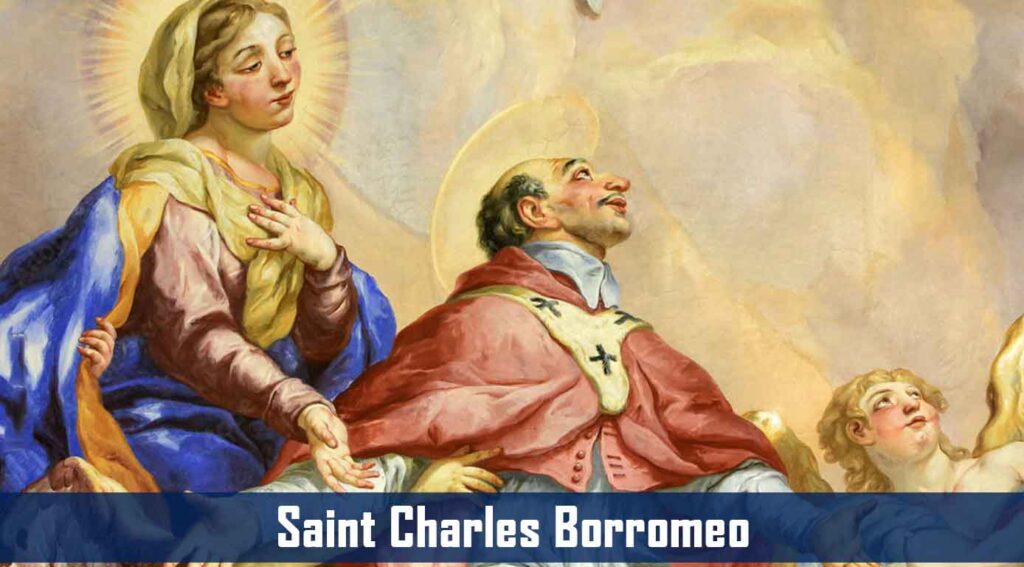
St. Charles Borromeo was one of the most important figures of the counter-reformation in Italy. He was appointed as cardinal and archbishop of Milan in 1559. A year prior to his appointment, he received a doctorate degree in both civil law and canon law.
He headed the Consulta which made him secretary of state to Pius. The pope relied heavily on St. Charles Borromeo for his role in the third convocation of the Council of Trent. Afterwards, he served in executing decrees and he also brought out the Roman catechism in 1566. When his uncle died, St. Charles Borromeo took part in the conclave that elected Pius V.
St. Charles Borromeo became embroiled in politics and serious administrative problems. However, his heroic behaviour during the plague of 1576-1578 won him much him respect. He was known for giving away his wealth to help the poor and to care for the sick. He is the patron saint of bishops, cardinals, seminarians, and spiritual leaders.
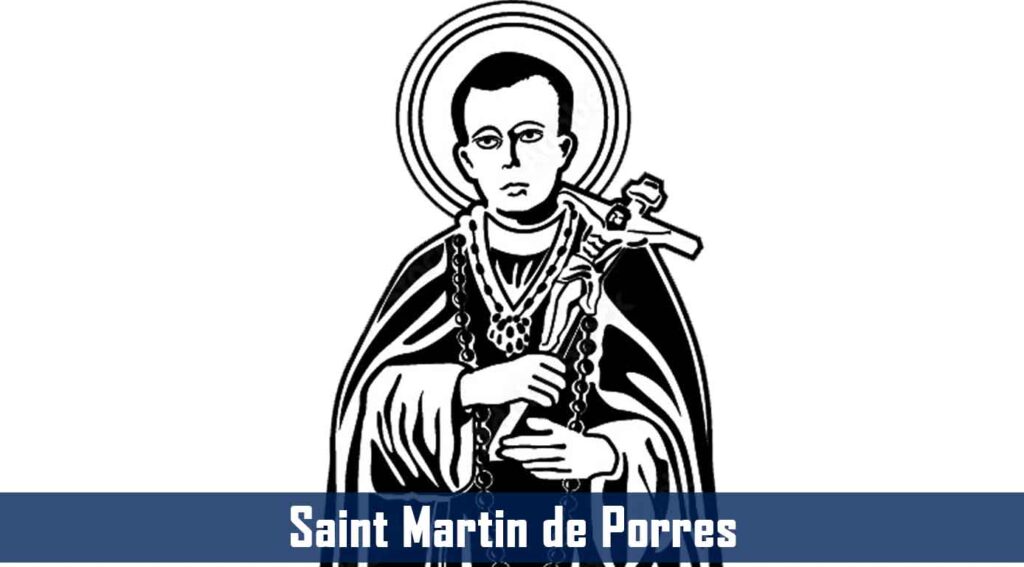
His full name is Juan Martin de Porres Velasquez, St. Martin de Porres was raised in poverty and suffered from the stigmas of being mixed race and of being born as an illegitimate child. Despite these trials, he was known for his kindness and charity.
He learned bloodletting and administering medicines when he was studying with a barber-surgeon. At the age of 15, he volunteered in helping care for the sick in the Dominican monastery infirmary. He was compassionate to everyone, giving alms to the poor, and even extended his love to animals.
He was also known for ministering to the African slaves being brought to the city. He even raised money for the dowries of poor girls so they can marry. He is the patron saint of social justice, racial harmony, and mixed-race people.
A day dedicated to remembering our deceased loved ones through prayer, intercessions, alms as well as visiting cemeteries. People pray for the souls in purgatory and help them gain indulgences. According to the Catholic doctrine, prayers of the faithful help cleanse the souls in purgatory so they eventually enter heaven. It is believed that the souls are not perfectly cleansed from sins on departing from the body and so they cannot fit yet in the visions of God.
Having celebrated the feast of all the members of the church who are believed to be in heaven on the November 1, the church has assigned the following day to commemorate the souls in purgatory.
Also known as the Feast of All Saints, it is a day that commemorates all the saints in the Christian church. During the reign of Pope Gregory III in 731-741, he dedicated a chapel in St. Peter’s in honour of all the saints. This is the first evidence of celebrating the saints’ day on November 1.
Prior to this, holding a feast for all the saints have already been observed. During the 4th century, there was a commemoration of all the martyrs. In the time of Pope Boniface IV, he rededicated a shrine– Pantheon– to all the martyrs. The purpose of the rededication is so “that the memory of all saints might in the future be honored in the place which had formerly been dedicated to the worship not of gods but of demons.” (On the Calculation of Time).