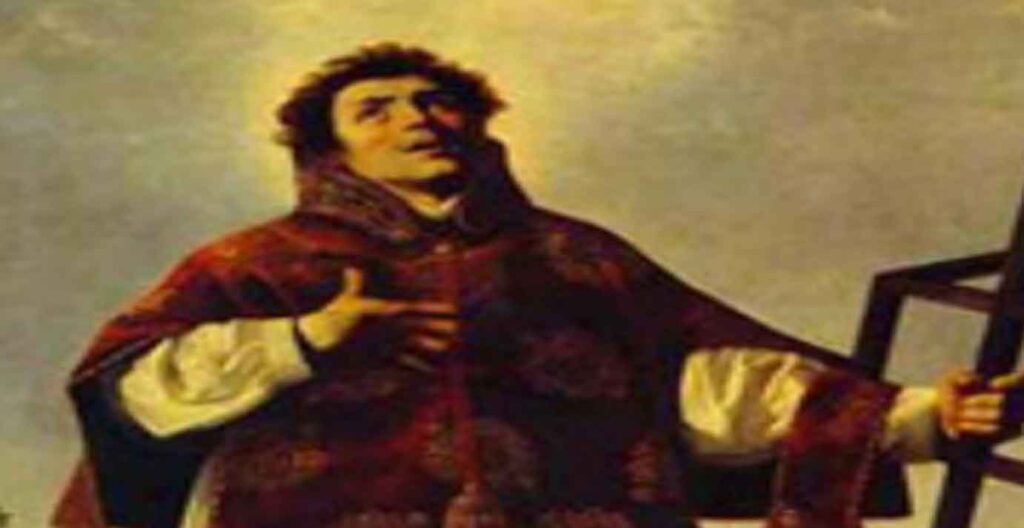
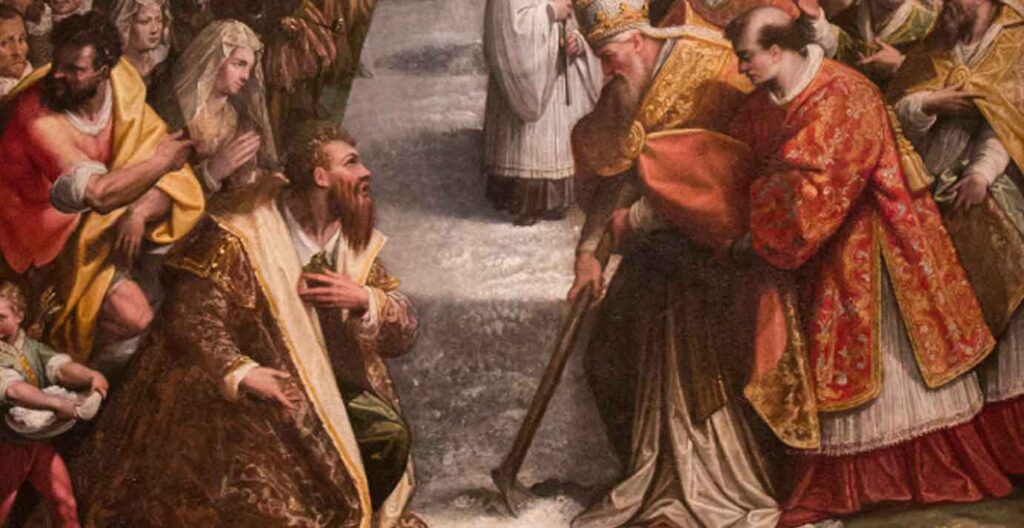
Laurence was one of the seven deacons of the Church of Rome and was executed on 10th August 258, four days after Sixtus II and his companions. By now, few of the facts of his life are known for certain: he was probably a Spaniard from Toledo.
A basilica was built over Laurence’s tomb fifty years after his death, by the Emperor Constantine, and the anniversary of his martyrdom was kept as a solemn feast – with considerably more solemnity than that of Pope Sixtus II (reason unknown). By the sixth century, it was one of the most important feasts throughout much of western Christendom. His name occurs (with Sixtus’s) in the Roman Canon of the Mass.
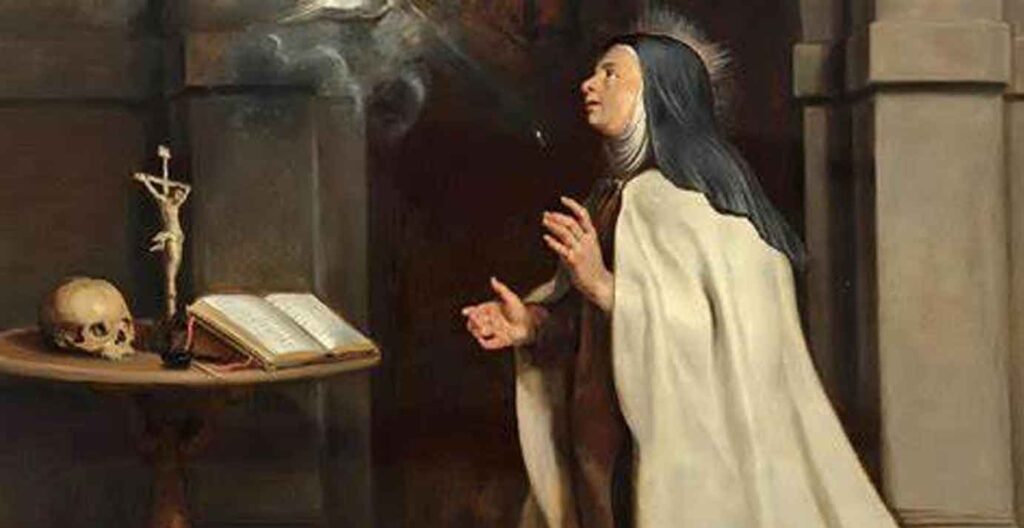
Edith Stein was born from a prominent Jewish family in Breslau, Germany – now Wroclaw, Polad. As a student, she became fascinated in Philosophy, specifically Phenomenology. Excelling as a protégé of the famous philosopher, Edmund Husserl, she earned a Doctorate in Philosophy in 1916, but her academic career was impeded because she was a woman.
Reading the autobiography of Saint Teresa of Ávila brought about her conversion to Catholicism and she was baptized on 1 January 1922.
She entered a Carmelite monastery in Cologne and took the name Teresa Benedicta of the Cross. Her order moved her to the Netherlands to keep her safe from the growing Nazi threat. But later on, she was taken to Auschwitz and killed on 9 August 1942.
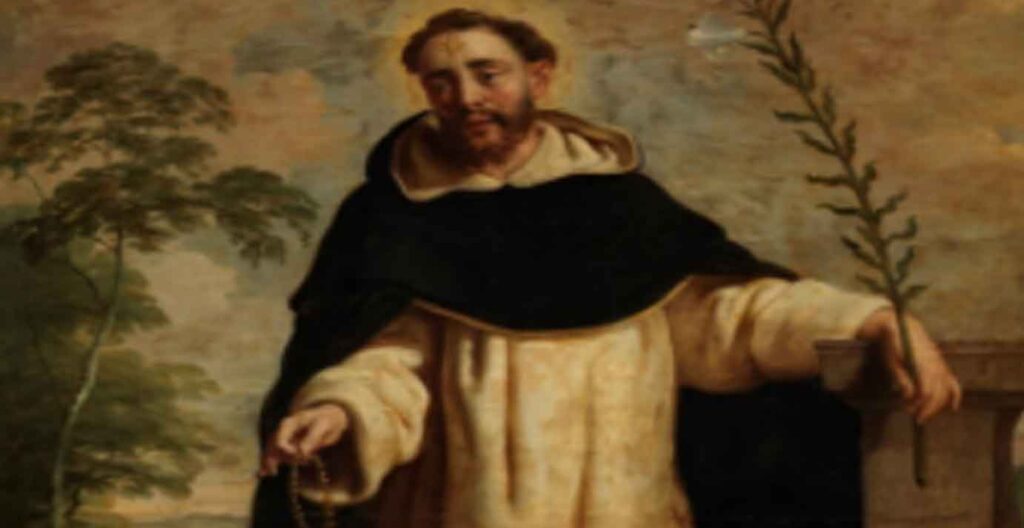
Dominic was born in old Castile, Spain. He was trained for the priesthood by his uncle-priest, he studied and mastered arts and theology. Later on, he became a canon of the Cathedral at Osma, there an the revival of the apostolic common life described in Acts of the Apostles was attempted. In 1216 he founded the Order of Preachers, dedicated to saving souls by preaching and persuasion.
His ideal, and that of his order, i.e., contemplate trader [to pass on the fruits of contemplation] was to organically link a life with God, study and prayer in all forms, with a ministry of salvation to people by the Word of God. Dominic died at Bologna on 6th of August 1221.
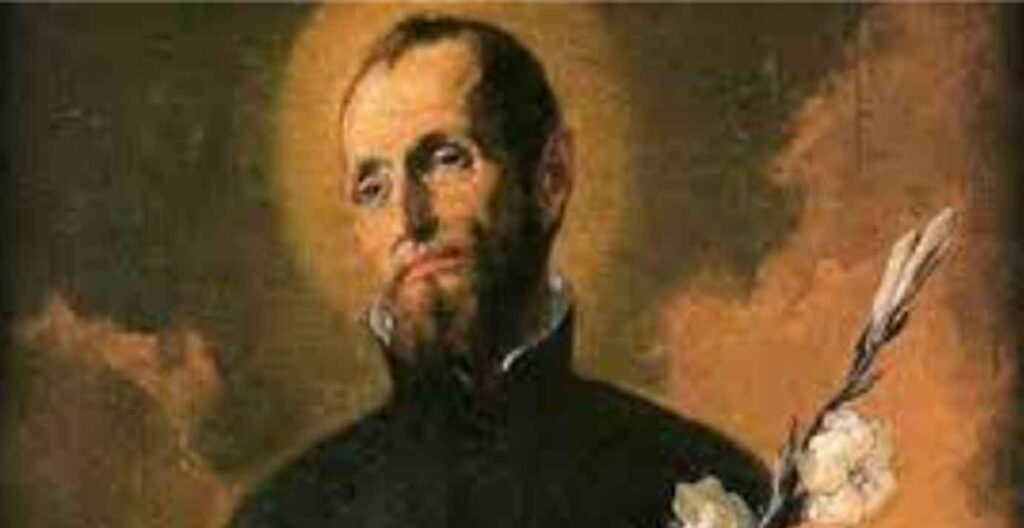
Today’s saint was seemed headed for an ordinary life – he was a lawyer, then became a priest who is engaged in the work of the Roman Curia. Shortly after his ordination, his life took a characteristic turn when he joined the Oratory of Divine Love in Rome – i.e., a group devoted to piety and charity. Later on, he founded a hospital for the incurables at Venice. When he was at Vicenza, he joined a “disreputable” religious community which is consisted only of men of the lowest stations of life – there he sought out the sick and poor of the town and served them. Worn out by the troubles he saw in his Church and his home, Cajetan fell ill. When doctors tried to get him to rest on a softer bed then the boards he slept on, Cajetan answered, “My savior died on a cross. Let me died on wood at least.” He died on August 7, 1547.
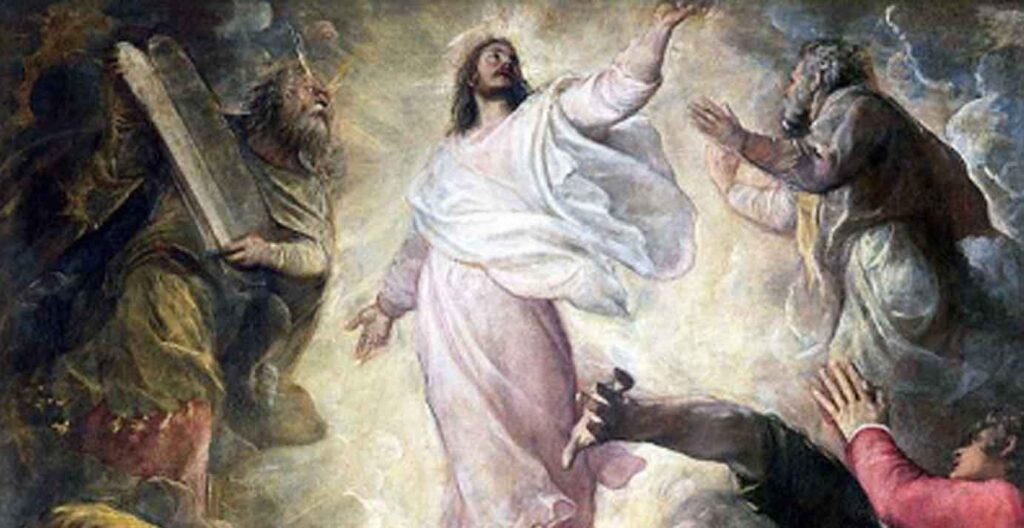
The three Synoptic Gospels of Matthew, Mark and Luke, tells us the story of the Transfiguration of the Lord. With remarkable agreement, all three put the event shortly after Peter’s confession of faith the Jesus is the Messiah. It was also the time when Jesus gave the first prediction of his passion and death.
The Transfiguration of the Lord can sound embarrassingly magical. Jesus goes up onto a mountain and his clothes become dazzlingly white. Prophets appear and talk to him. And then it is all over and Jesus tells his disciples to say nothing. Tradition names Mount Tabor as the site of the Transfiguration of the Lord. A church was raised at the site during the fourth century.
The Council of Ephesus in 431 formally proclaimed the mother of Jesus as the Mother of God, and the church (basilica) of St Mary Major on the Esquiline Hill in Rome was built shortly afterwards to celebrate her motherhood. This is the oldest church in the West that is dedicated to Our Lady.
The title “Mother of God” may seem technical or even excessive; but it emphasizes the central truth of the Incarnation, that Jesus Christ was not only a true man, but God also; and not only God, but man born of a woman.
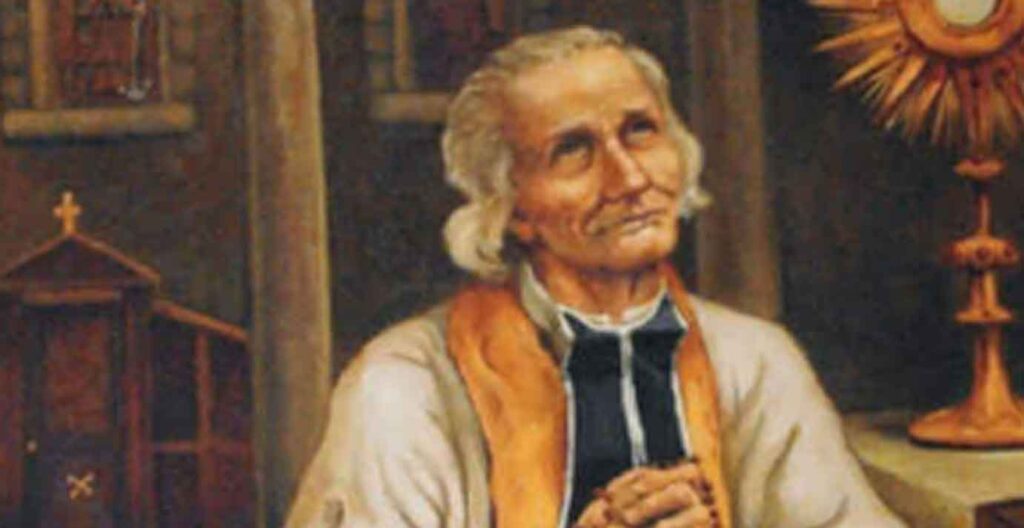
“A man with vision will overcome every obstacles and shall perform deeds that seem to be impossible.” John Marie Vianney was a man of vision. He wanted to become a priest but he has to overcome his meager from schooling, which inadequately prepared him for seminary studies.
His dedication as a confessor was his most remarkable accomplishment, that even during winter months, he would spend 11 to 12 hours of celebrating the sacrament of reconciliation. During summer months, he would increase his hearing of confession up to 16 hours. In 1929, Pope Pius XI named him as the patron saint of all Priests in the world.
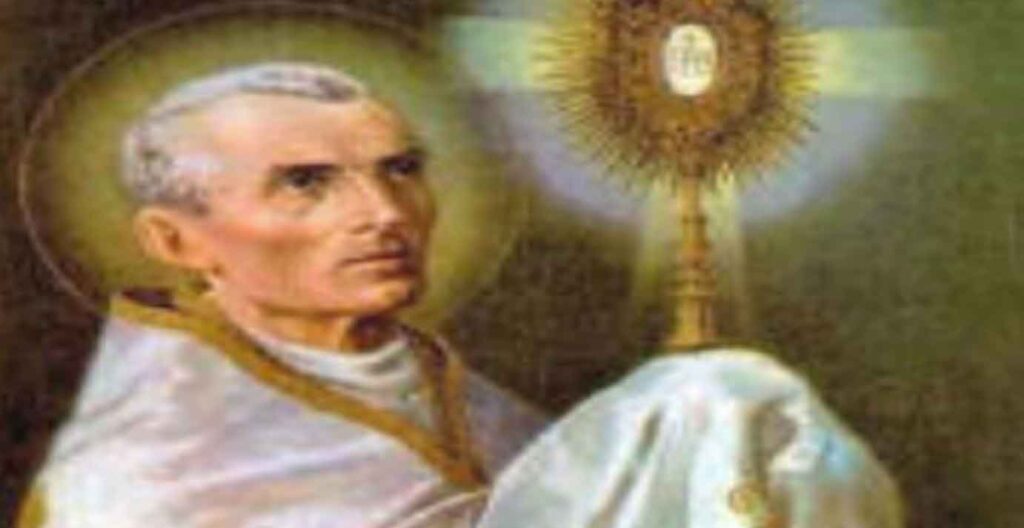
Born in La Mure d’Isère, Southeastern France, Peter Julian Eymard’s faith journey drew him from being a diocesan priest of Grenoble in 1834, to joining the Marists in 1839, to founding the Congregation of the Blessed Sacrament in 1856.
In addition, Eymard coped with poverty, his father’s initial opposition to his vocation, from serious illness, a Jansenistic overemphasis on sin, and the difficulties of getting diocesan and papal approval for his own established religious community. Beyond all of this he remained a faithful servant of God.
Peter Julian Eymard was beatified in 1925 and was canonized in 1962, the day after the end of Second Vatican Council’s first session.
It is commonly believed that if there had been no Arianism, i.e., the denial of the divinity of Jesus, it would be very difficult to write the lives of many early saints. Eusebius of Vercelli, is one of the great apologists (defenders of the faith) during the trying times of the Church. He was born in the Isle of Sardinia, where he became a member of the Roman clergy. He is acknowledged as the first recorded bishop of Vercelli in Piedmont, Northwest of Italy. He was also the first to link the monastic life with that of the diocesan clergy life – living the principle that the best way to sanctify the people is by having them see a clergy formed in solid virtue and living in community.
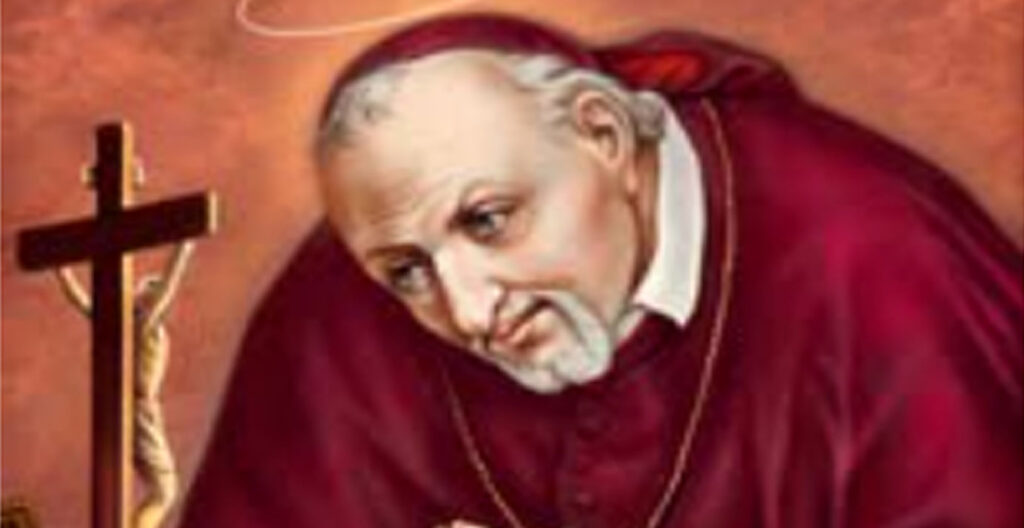
St. Alphonsus Ligouri is a moral theologian, he is even declared as the patron of the moral theologians by Pope Pius XII in 1950. In his day, Alphonsus fought for the liberation of moral theology from the rigidity of Jansenism. His moral theology, which went through 60 different editions in the century following him.
His writings concentrated on the practical and concrete problems of pastors and confessors. “If a certain legalism and minimalism crept into moral theology,” he said, “it should not be attributed to this model of moderation and gentleness.” Vatican II said that, Moral Theology should be more thoroughly nourished by Scripture, and must show the the nobility of the Christian vocation of the faithful and their obligation to bring forth fruit in charity for the life of the world.